


El Altiplano: comarcas de Baza y Huéscar

Español Inglés
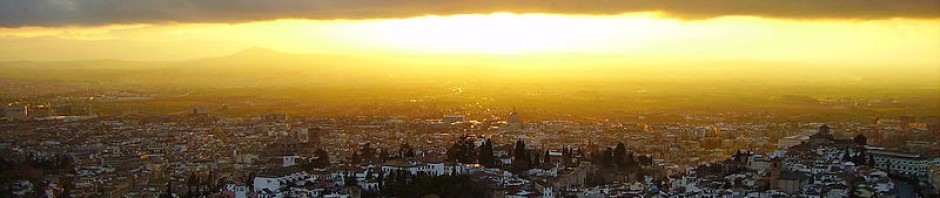
El Altiplano se sitúa al noreste de Granada, donde hay grandes altiplanicies más de 1.000 metros por encima del nivel del mar. Una gran llanura casi desértica se encuentra en el centro, rodeada de las sierras de la Sagra, Castril, Baza y Orce. Es una tierra de contrastes, con veranos cortos y cálidos e inviernos fríos. En primavera se puede ver el impresionante espectáculo del deshielo. Esta comarca de bellos paisajes cuenta con dos Parques Naturales, el de la Sierra de Baza y el de la Sierra de Castril. Según las evidencias arqueológicas encontradas, fue esta tierra donde llegó hace más de un millón de años el primer hombre europeo. Mucho más tarde llegaron los íberos, después los romanos y, a partir del siglo VIII, los musulmanes. Los restos de los musulmanes se puede ver en pueblos como Benamaurel o Castilléjar, donde encontramos cuevas utilizadas por estos pobladores andalusíes. El antiguo Barrio de Santiago de la Alcazaba de Baza o la Alcazaba de las Siete Torres de Orce también muestra la herencia islámica. Tras la conquista cristiana se edificaron templos como las monumentales Colegiatas de Huéscar y Baza, e iglesias y palacios como el de los Enríquez en Baza o la Casa de los Patiños en la Puebla de Don Fadrique. Allí, se ofrecen alojamientos turísticos en cuevas, una de las características más singulares de la provincia, equiparables en calidad a hoteles de tres estrellas. Además, la comarca ofrece muchas atracciones turísticas, desde pintorescos paseos a caballo al vuelo libre en parapente y ala delta desde el pico del Jabalcón, pasando por windsurf, piragüismo, vela o senderismo. En los alrededores de la provincia de Granada hay numerosos de lugares con paisajes impresionantes e historia interesante. Es posible llegar a cada lugar desde la capital de Granada. Escuela Delengua, la escuela de español se encuentra en la ciudad de Granada que es un lugar ideal para aprender español con todo lo que ofrecen los alrededores de la provincia de Granada. The high plateu “Altiplano” is situated in the northeast of Granada, where big tablelands more than 1.000 metres above sea level are situated. A great plain almost deserted is found in the centre, surrounded by the Sierra de la Sagra, Castril, Baza and Orce. It is a contrasting land, with hot and short summers and cold winters. In spring the amazing spectacle of the snow melting can be seen. This area of beautiful scenery has two Nature Parks, the Sierra de Baza and the Sierra de Castril. According to the archaeological evidence found, it was this land where more than a million years ago the first European man arrived. Afterwards, the Iberians arrived, then the Romans and from the VII century, the Muslims. The remains of the Muslims can be seen in towns such as Benamaurel or Castilléjar, where there are caves used by the settlers in Andalusia. The old barrio of Santiago de la Alcazaba de Baza or the Alcazaba de las siete torres de Orce also show the Islamic heritage. After the Christian conquest they built temples like the Colegiate monuments of Huéscar and Baza and churches and palaces like the one for Enríquez in Baza or the house of the Patiños in the town of Don Fadrique. It offers accommodation for tourists in caves, one of the unique things about the province, equal in quality to a three star hotel. The area also offers many tourist attractions, from picturesque horse rides, to flying in a paraglider or hang glider from the peak of Jabalcón, going windsurfing, canoeing, sailing or hiking. In the surroundings of the province of Granada there are numerous places with impressive scenery and interesting history and you can go to each place from the capital of Granada. Escuela Delengua, the Spanish language school, is found in the city of Granada which is an ideal place to learn Spanish with all that the surroundings of the province has to offer.

Iglesia de Santa Ana de Granada/ Church of Santa Ana in Granada

Español Inglés
La Iglesia de Santa Ana de Granada es una de las iglesias mudéjares más interesantes de la ciudad y se sitúa al lado del Río Darro y en la Plaza Nueva, próxima a la Real Chancillería y al pie de La Alhambra.
Fue construida en el año 1537, siguiendo los proyectos de Diego de Siloé, el artista más famoso de la época en su zona. La construyeron en el solar, donde anteriormente se encontraba un oratorio islámico, la mezquita Al-jama Almanzora. La iglesia tiene una sola nave a la que se le adosan capillas laterales y una excelente Capilla Mayor. De aquella anterior mezquita se conserva hoy su alminar, una bella torre de ladrillo.
Tiene interiormente elementos artísticos de incalculable valor, con grupos escultóricos muy interesantes en cada una de las cinco capillas. También son notables las pinturas que se conservan en sus muros, obra de los siglos XVI y XVII y en la Sacristía se conserva un cáliz, obra de Francisco Téllez de 1568. Otro de los grandes valores arquitectónicos de esta interesante iglesia está en su portada principal, que da a la plaza, realizada en estilo renacentista.
Mariana Pineda, la popular heroína ejecutada se casó en la Iglesia de Santa Ana, y además se conservan allí los restos del historiador granadino Francisco Bermúdez de Pedraza (siglo XVI) y del escultor y pintor local José Risueño (1665 – 1732).
La Iglesia de Santa Ana es una de las muchas iglesias que hay en Granada, la ciudad tiene un gran numero de monumentos interesantes y bellos. Escuela Delengua es una escuela de español en la ciudad de Granada. Es posible hacer un curso de español durante las semanas que quieras. Desde una semana hasta un año y durante este tiempo puedes conocer la ciudad de Granada y todo lo que ofrece.

Su portada

The church of Santa Ana in Granada is one of the interesting mudejar churches in the city and it is situated next to the Darro river and in the Plaza Nueva, next to the Real Chancillería and walking distance from the Alhambra.
It was built in 1537 following the plans of Diego de Siloé, the most renowned artists of the era in that area, they built it on the site where an Islamic oratory had previously been, the Al-jama Almanzora mosque. The church has just one nave with chapels coming off from it and an excellent main chapel. The minaret from the old mosque still stands today, a beautiful tower of brick.
Inside it has artistic elements of incalculable value, with groups of interesting sculptures in each of its five chapels. Also notable are the paintings that have been preserved on the walls, work from the 16th and 17th centuries and in the sacristy there is a chalice, work of Francisco Téllez form 1568. Another of the architectural valuables from this interesting church is its main door to the plaza, made in Renaissance style.
Mariana Pineda, the popular executed heroine was married in the church of Santa Ana and further more it has the remains of the historian from Granada, Francisco Bermúdez de Pedraza (16th century) and of the local sculptor and painter José Risueño (1665 – 1732).
The church of Santa Ana is one of many churches in Granada, the city has a large number of beautiful and interesting monuments. Escuela Delengua is a Spanish language school in the city of Granada, it is possible to do a Spanish course at the school for just one week or for up to a year, for as long as you want, and during this time you can get to know the city of Granada and all that it has to offer.

Jardines y Parques en Granada/ Gardens and Parks in Granada

Español Inglés
Hay un numero significante de parques y bellos jardines en la ciudad de Granada donde es posible refugiarse del ruido del tráfico y encontrar la calma. Algunos de los parques y jardines tienen valor histórico y artístico.

Los Jardines de la Alhambra son quizás los más conocidos de Granada, otro muy famoso es el Parque Federico García Lorca,  lugar de residencia de verano del poeta Lorca. Aquí escribió unos de sus obras mas importantes. Hoy en día la casa es un museo, conocida por la Huerta de San Vincente, y sus alrededores, los jardines, son lo que conocemos por el parque.

Uno de los jardines más bonitos es el Carmen de los Mártires, que está situado al lado de la Alhambra y tiene unas vistas impresionantes de ella, la ciudad de Granada y de Sierra Nevada. La casa y los jardines fueron el lugar de residencia de verano de Don Carlos Calderón, el jardín tiene varios estilos distintos con sus fuentes y estatuas. Otro jardín bastante bonito es el Jardín del Triunfo, y durante la noche aún más porque está iluminado. Cuenta con más de 200 árboles y 17 especies de plantas, entre los más exuberantes están las acacias y las magnolias.

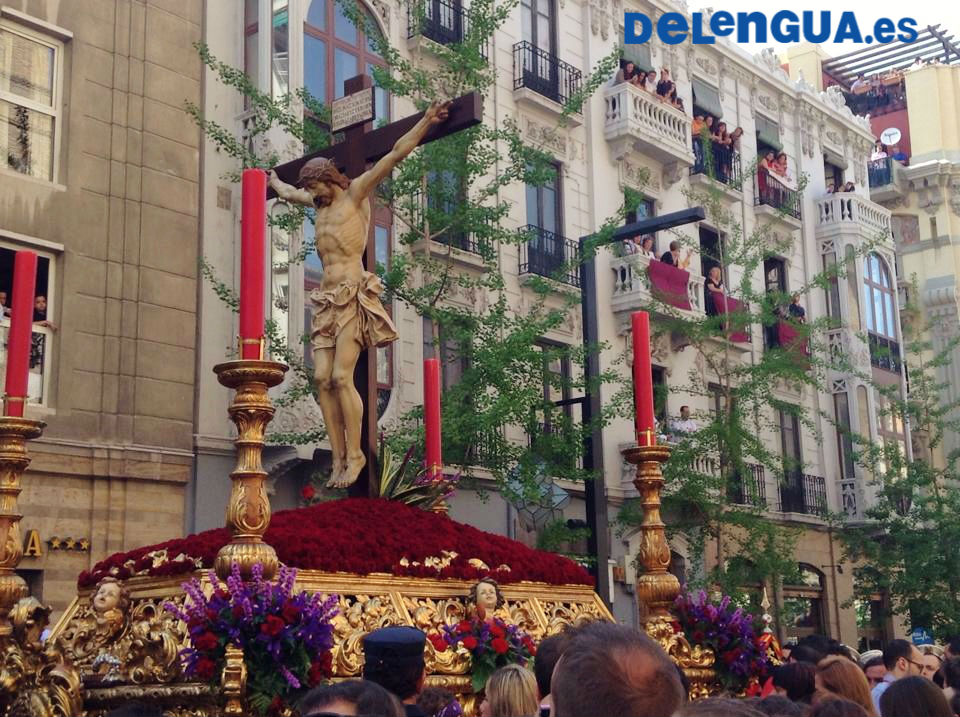
Otra de las zonas verdes en la ciudad son los Jardines del Campo del Príncipe, se encuentran en el barrio del Realejo, que se siempre están llenos y animados por las noches debido a los numerosos bares que hay en la zona. En una plaza del parque hay colocada una cruz de piedra con la efigie de Cristo y durante la Semana Santa la plaza es bastante visitada, especialmente el Viernes Santo porque los granadinos van a pedirle favores al Cristo.

Existen muchos más parques y jardines en Granada como los Jardines del Hospital Real, Parque 28 de Febrero, Parque Universitario de Fuente Nueva… Sin embargo es imposible hablar de cada uno de ellos.

Escuela Delengua está situado en pleno centro de Granada y por lo tanto, desde la escuela es bastante fácil visitar estos parques y jardines maravillosos de la ciudad.

La Casa de García Lorca

Los Jardines de la Alhambra

There are a large number of parks and beautiful gardens in the city of Granada where you can take refuge from the noise of the traffic and find calm. Some of the parks and gardens have historic and artistic value.

The Gardens of the Alhambra are perhaps the best known in Granada, also very famous is the Huerte de San Vincente, it was the summer residence of Federico García Lorca and here he wrote some of his most important work. Now his house is a museum and to the surounding area the park is known as the García Lorca Park.

One of the most beautiful gardens is the Carmen de Los Mártires which is next to the Alhambra and it has impressive views of the Alhambra, the city of Granada and the Sierra Nevada.The house and gardens were the summer residence of Don Carlos Calderón, the garden has various distinct styles with its fountains and statues. Another beautiful garden is the Triunfo Garden and at night it is even more beautiful beacause it is lit up. There are more than 200 trees and 17 different species of plants in the garden, amongst the most exuberant are the acacias and the magnolias.

Another of the green areas in the city is the Gardens at Campo del Príncipe, they are found in the district of El Realejo and it is always busy and lively in the evenings due to the numerous surrounding bars in the area. In a plaza in the park there is a stone cross with the figure of Christ on and during Holy Week the plaza is crowded with people and especially on Good Friday because the people of Granada come to the figure of Christ to ask for favors from Christ.

There are many more parks and gardens in Granada such as the Gardens of Hospital Real, Park 28 de Febrero, University Park Fuente Nueva… However it is impossible to speak about each and every one!

Escuela Delengua is situated in the very centre of Granada and so from the school it is quite easy to visit each one of these wonderful parks and gardens in the city.

La Universidad de Granada: una Universidad española con ambiente internacional/The University of Granada: a Spanish University with international atmosphere

Español Inglés
La Universidad de Granada es una de las universidades más grandes e importantes de España. Fue fundada en el año 1531 por una iniciativa del emperador Carlos V, que quería reinstaurar los estudios universitarios que tienen una larga tradición en Granada, sobre todo durante el Reino Nazarí.

La UGR tiene siete Campus Universitarios: cinco en Granada, un campus en Ceuta y otro en Melilla en el norte de África. En total la universidad dispone de 28 centros docentes (22 facultades y 6 escuelas), donde se ofrecen 75 titulaciones diferentes.

Granada siempre fue una ciudad de encuentro de culturas, y hoy más que nunca, sobre todo gracias a su universidad. La Universidad de Granada es de hecho el primer destino de los estudiantes del programa Erasmus provenientes de toda Europa, y la segunda universidad española en envío de estudiantes propios. Con más de 80.000 estudiantes, de los cuales aproximadamente 2.500 son extranjeros, la universidad de Granada  es una de las universidades españolas más internacionales.

Aparte de los acuerdos hechos con las universidades europeas por el programa Erasmus, la universidad de Granada tiene acuerdos con muchas universidades extranjeras en todo el mundo. De hecho hay muchos estudiantes que vienen de América Latina, de Europa del Este, del norte de África, EEUU y Canadá. Además hay mucha gente de Japón, China, Israel, Australia, países de la antigua Unión Soviética, Palestina, etc.

La gran ventaja de tener un número tan alto de estudiantes extranjeros de todo el mundo es que siempre hay oportunidades y ofertas de intercambio de idiomas. En el tiempo libre se puede ir de bares, de tapas, al cine, a las discotecas, y mucho más para mantener una conversación en todos los idiomas del mundo.

Cuando paseas por Granada de día o de noche te darás cuenta de que esta ciudad es muy joven, también gracias a la universidad. Granada es una ciudad donde siempre pasa algo y donde nunca te aburres. Entonces, si tienes pensado irte de Erasmus o pasar una estancia lingüística en España, Granada será la ciudad perfecta.

La Facultad de Bellas Artes de la UGR

El emblema de la UGR

The University of Granada is one of Spain’s biggest and most important universities. It was founded in 1531 on initiative of the emperor Charles V, who wanted to reestablish the studies at university that have a long tradition in Granada, most of all during the Emirate of Granada.

The UGR has seven campuses: five in Granada, one in Ceuta and another in Melilla in the north of Africa. Altogether, the universty dispones of 28 teaching centres (22 faculties and 6 schools), where one can obtain 75 different titles.

Granada has always been a cultural melting pot, today even more than ever, most of all thanks to its University. The University of Granada is in fact the favourite destination of Eramus students from all over Europe, and Spain’s second university in sending its own students. With more than 80,000 students, of which approximately 2,500 are exchange students, the University of Granada is one of Spain’s most international universities.

Apart from the contracts with the eurpean universities through the Erasmus program, the University of Granada has agreements with many other universities all over the world. In fact there are many students coming from Latin America, Eastern Europe, the north of Africa, the USA and Canada. Furthermore there are many students from Japan, China, Israel, Australia, the former Sovjet Union, Palestine etc.

The great advantage of having such a high number of exchange students from all over the world is that there are always opportunities and offers for a language exchange. During the free time you can go out to have a drink or to eat tapas, go to the cinema, to a disco and many other things to hold a conversation in all the languages in the world.

If you go for a walk through Granada by day or by night you will notice that this city is quite young, also thanks to its university. Granada is a city where there´s always happening something and where you never get bored. So, if you have planned to go on Erasmus exchange or to do a language stay in Spain, Granada will be the perfect city.

La cultura gitana: un componente esencial de Granada/The Gypsy culture: an essential part of Granada

Español Inglés
Granada es y siempre ha sido una ciudad multicultural. Aparte de influencias cristianas, árabes, y judías hay otra población que caracteriza la cultura de Granada: los romaníes. Pero, ¿quiénes son los romaníes y de dónde vienen? No se puede imaginar la ciudad de Granada sin los gitanos, como son llamados también, pero sin embargo no se sabe mucho sobre ellos.

Mucha gente asocia a los gitanos con la Europa Oriental. No obstante, originalmente son del norte de la India. Hay una teoría que dice que los romaníes (y los sinti) dejaron su país en el siglo XIV y marcharon como artesanos hacía Europa. Así se convirtieron de un pueblo sedentario a un pueblo errante. Hasta el día de hoy hay grupos de romaníes que van de un lugar a otro vendiendo artesanía.

Los gitanos llegaron a España en el siglo XV. Al principio, las relaciones entre la población local y los gitanos fueron en general buenas. Sin embargo, con la llegada al trono de los Reyes Católicos en 1469, la situación cambió radicalmente. Los gitanos tenían un plazo de dos meses para buscar un domicilio, trabajo y para abandonar su forma de vestir y sus costumbres. Si no cumplían esto, les amenazaron con la expulsión del país. Durante los siglos siguientes hubo varios intentos de extinguir la raza de los gitanos en España. Con el tiempo, la situación ha mejorado y los gobiernos han introducido varias medidas para una integración mejor. Sin embargo, hasta el día de hoy, aunque hay una ley contra la discriminación de los romaníes, este pueblo sigue siendo discriminado.

En Granada y toda Andalucía, los gitanos forman hoy en día una parte importante de la vida cultural. Por comunidades autónomas, Andalucía cuenta con la mayor población de gitanos con cerca de 300.000, casi un 5% del total de la población de la comunidad. Una parte de la cultura andaluza que siempre se asocia con los romaníes es el flamenco. Los gitanos siempre habían sido un pueblo cantante, y encontraron en Andalucía el lugar perfecto para desarrollar su música porque esta región disfrutaba de un impresionante auge cultural, artístico y científico, debido a casi ochocientos años de mezcla de culturas árabes, judías y cristianas. Después de su llegada a Andalucía, los romaníes retomaron el flamenco para ganarse la vida, y con el tiempo lo desarrollaron y se volvieron los representantes generales del flamenco. Uno de los cantaores del flamenco moderno más influyentes era Camarón de la Isla, y su álbum más vendido se llama “Soy gitano”.

Cuando estás en Granada, la influencia de la cultura gitana es algo que salta a la vista. Un ejemplo es el barrio Sacromonte, que es también conocido como el barrio de las cuevas o de los gitanos. En este barrio hay muchas casas cueva que en su mayoría están habitadas por gitanos. Lo especial de este barrio es que se puede dar un paseo por allí y encontrar a gente dando un concierto de flamenco. En la Escuela Delengua se ofrecen muchas actividades extraescolares, entre otras cosas visitas guiadas por el Sacromonte o la visita a un espectáculo de flamenco, algo que no te deberías perder si vienes a Granada.

Un espectáculo de flamenco

Las casas cueva del Sacromonte

Una casa típica del Sacromonte

Granada is and has always been a multicultural city. Apart from Christian, Arab and Jewish influences, there is another population that characterizes Granada’s culture: the Roma. But, who are the Roma and where do they come from? One can’t imagine the city of Granada without the gypsies, like they are also called, but nevertheless there’s not much common knowledge about these people.

Normally the gypsies are associated with Eastern Europe. Nevertheless, they are originally from the North of India. There’s a theory that says that the Roma (and Sinti) left their country in the 14th century and went to Europe as craftsmen. So they converted from a sedentary to a wandering people. Until today there are still groups of Roman who go from one place to another selling craftsmanship.

The gypsies reached Spain in the 15th entury. At the beginning, the relations between the local people and the gypsies were quite good. Nevertheless, when the Catholic Monarchs mounted the throne in 1469, the situation changed radically. The gypsies had a time limit of two months to find a residence, a job and to abandone their way of dressing and their costumes. If they didn’t keep to this, they were threatened with being expelled from the country. During the following centuries there were several attempts to extinguish the gypsies in Spain. In the course of time, the situation improved and the governments have introduced various measurements for a better integration. Nevertheless, although there is a law that prohibits the discrimination against the Roma, they still suffer from many disadvantages.

In Granada and whole Andalusia, the gypsies form an important part of the cultural life. Andalusia is the autonomous community with the biggest share in Roman population. The 300.000 Roma living there form 5% of the complete population. One part of the Andalusian culture that is always associated with the Roma is Flamenco. The gypsies have always been a singing folk, and in Andalusia they found the perfect place to develop their music, due to the cultural, artistic and scientific heights this region enjoyed during almost 800 years of a mixture of Arab, Jewish and Christian culture. After their arrival to Granada, the Roma took up the Flamenco to earn their keep, and in the course of time they developed it and became the main represantatives of Flamenco. One of the most influential “cantaores”, how the Flamenco-singers are called, was Camerón de la Isla, and his best-selling album was called “Soy gitano” (“I’m a Gypsy”).

When you are in Granada, you will directly perceive the influence of the gypsy-culture. One example is the district Sacromonte, which is also known as the district of the caves or of the gypsies. In this district there are many cave houses which are mostly inhabited by gypsies. What is special about this district is that you can go there for a walk and find people giving a Flamenco concert. At Delengua Spanish Language School you can participate in many activities, for example guided tours through the Sacromonte or visiting a Flamenco show, something you shouldn’t miss when you come to Granada.

La huerta de San Vicente en Granada // Garden San Vicente in Granada

Español Inglés
La Huerta de San Vicente fue la residencia veraniega de la familia de García Lorca entre 1926 y 1936. Durante aquellos veranos, Federico vino aquí para relajarse, estar con sus amigos y sobretodo para escribir. Aquí fue donde el poeta escribió gran parte o hasta la totalidad de algunas de sus obras más importantes, tales como Yerma o Bodas de Sangre.

Para él, aquella casa representaba la vuelta a lo original y auténtico, ver de nuevo la simplicidad campesina, opuesta al bullicio de la capital.

Con la Escuela Delengua, se puede visitar el Parque y la Casa natal del poeta, con los compañeros de clase de español y un profesor de la escuela, que se convierte en guía durante la visita.

Si participas en las actividades organizadas por la escuela de español, podrás saber más sobre el poeta y disfrutar de un paseo agradable por el jardín hermoso… ¡con un sabor literario y poético garantizado!

Gracias a la visita puedes enterarte de que también fue aquí donde vivió Lorca durante sus últimos días, antes de su arresto y su asesino en agosto de 1936, en los comienzos de la Guerra Civíl. Durante los años 40 y 50, una prima se encargó de mantener la casa, pues toda la familia tuvo que huir a los Estados Unidos.

A finales de los años 60, el crecimiento urbano de Granada amenazó la Huerta. El hermano de Federico logró salvar la Casa con la ayuda de los intelectuales, a gran refuerzo de contestaciones.

En 1985, Isabel García Lorca cedió la Huerta al ayuntamiento de Granada y desde entonces la casa es parte integrante del patrimonio histórico-artístico de la ciudad. Diez años después, la Huerta de San Vicente abrió sus puertas al público, y se puede visitar la Casa natal del poeta. Para el centenario del nacimiento del poeta (1998), incluso el Rey vino a visitarla.

La Huerta está bien ubicada: a sólo 15 minutos del centro y de la Escuela Delengua. Si quieres darte un paseo en un lugar que huela a Historia y literatura, ya sabes adónde ir…
En la Huerta también puedes practicar deporte: hay instalaciones sencillas para fortalecer tus músculos y estirarte después de una buena caminata.

Si planeas viajar a España y pasarte por Andalucía, pues no te pierdas esta oportunidad única de seguir las huellas del famosísimo poeta… ven a descubrir su casa en Granada! Y recuerda que en la Escuela Delengua ofrecemos muchos cursos de español a lo largo del año, así que si te gusta la poesía, también puedes inscribirte en un curso especial, de literatura o artes hispánicas por ejemplo. Además, los estudiantes de español siempre pueden elegir el tema de las clases particulares… ¡Como ves, hay muchas opciones!

Huerta de San Vicente, Granada

The Garden San Vicente was the summer house of Federico Gracía Lorca’s family from 1926 to 1936. Federico made the most of relaxing, inviting friends and writing many of his works. It was in this place where the poet wrote a great part, or rather almost all of his most important works, like Yerma or Bodas de Sangre.

This house represented for him the return to the authentic and original, and an opportunity to see again the peasant-like simplicity, far away from the hustle and bustle of the city.

With Escuela Delengua, you can visit the  Garden and native House of the poet, with your Spanish course’s classmates, and a teacher, who will be the guide during a visit.

If you take part in the organized activities of Delengua Spanish School, then you will learn more about the poet and at the same time enjoy a beautiful and quiet walk in the garden -with a poetic taste guaranteed.

Thanks to the visit, you will learn that it was in this place where  he lived during his last days, before he was arrested and assassinated in August 1936, the very beginning of the Civil War. During the 40s and 50s, a cousin kept the house clean because the whole family had to flee to the United States.

During late 60s, Granada’s urban growth was threatening the Huerta. Federico’s brother saved it with great help and contestations of intellectuals.

In 1985, Isabel García Lorca handed over the Huerta to the city hall of Granada, and since that time the Casa and Huerta San Vicente are part of the historic and artistic city patrimony. Ten years later, the Huerta opened its doors to visitors, and you can visit the native House of the poet. For the centenary of the Poet’s birth (1998) even the King of Spain came to see and visit it.

The Huerta is well situated: 15 minutes walking away from the centre and from Escuela Delengua. If you want to have a walk in a place that smells History and Literature, now you know where you have to go…
In the Huerta, you also can do sports: there are sport facilities to strengthen your muscles and strech your legs after a good walk.

If you plan to go to Spain and to go to Andalusia, you can’t miss the unique opportunity to follow the footprints of the famous poet Lorca… come and visit his house in Granada! And have in mind that in Delengua Spanish School, we offer much more than spanish courses all year long, so if you like poetry, you can enrol in one of our famous special courses (literature, arts…) Moreover, spanish students can always choose topics of one-to-one lessons… so, convinced? There is a lot of possibilities and options!

El Mirador de San Nicolás

Español Inglés
Justamente en el corazón del barrio del Albayzín se encuentra un sitio especial. Una placeta con diversidad cultural y vistas impresionantes. El mirador de San Nicolás está situado en el barrio del Albayzín, donde también está la escuela de español Delengua, solamente a unos minutos.

Este barrio es tan único que todo es distinto a través de los ojos de los visitantes, empezando por las casas construidas en pendiente y terminando en calles estrechas. Las casas tienen cármenes preciosos y hay silencio en este barrio, que sólo se rompe con el canto de los pájaros y el paso de los coches. El Albayzín es único por su quietud y tranquilidad, y da la impresión de estar atrapado en el pasado, lo que lo convierte en un lugar original que visitar mientras estés en Granada.
Si buscas un ambiente mágico con vistas increíbles a la Alhambra y a las cumbres blancas de Sierra Nevada ahí es donde tienes que ir.

Aparte de las vistas maravillosas del Mirador San Nicolás, éste se considera un sitio de  intercambio cultural, siempre está lleno de gente tocando música, bailando Flamenco o Sevillanas y disfrutando de la vida.
Todas las nacionalidades unidas en paz sumergiéndose en la cultura de Granada y dejándose llevar por el embrujo de una ciudad tan preciosa.

Y si te queda tiempo para visitar el Mirador de San Nicolás durante el crepúsculo, puedes contemplar unas de las más preciosas puestas de sol del mundo mostrándote una hermosa sinfonía de colores en el cielo.
La escuela Delengua organiza actividades culturales, y por supuesto permite a todos sus estudiantes disfrutar de tal paseo por el Albayzín, con punto final espectacular en el Mirador San Nicolás.

Un recuerdo inolvidable.

Vistas a la Alhambra desde el mirador San Nicolás

Mirador de San Nicolás

In the very heart of the Albayzín there is a very special place. A square with multicultural diversity and impressive views. The Mirador de San Nicolás is in the same area as the Delengua Spanish Language School, situated just a few minutes away from the school.

This part of the town is so special and unique that everything is different for the eyes of the traveler, starting from the houses built in slope and ending to the narrow streets. Houses have gardens and the silence in this district is cut only by the birds’ singing and cars passing by. Albayzín is unique for its quiet atmosphere and gives the impression of a place caught in the past, which makes it an original place to visit whilst you are in Granada.

If you are looking for a special and magic environment with views to the Alhambra and the white summits of Sierra Nevada, you definitely have to go the Mirador de San Nicolás.

Apart from its wondeful views, this place is famous for being a cross cultural exchange square. There are always lots of people playing the guitar, dancing flamenco or Sevillanas, just enjoying life…
All nationalities united in peace, being absorbed by the Granadine culture, allowing themselves to be carried by the enchantment of such a beautiful city.

If you still have time to visit Mirador de San Nicolás at twilight, you can admire one of the most beautiful sunsets, showing an incredible range of colours in the sky.
Delengua Spanish Language School organizes cultural activities, and of course, we enable our students to enjoy such a walk through the Albayzín, with a special ending on the Mirador de San Nicolás.

An unforgettable memory.